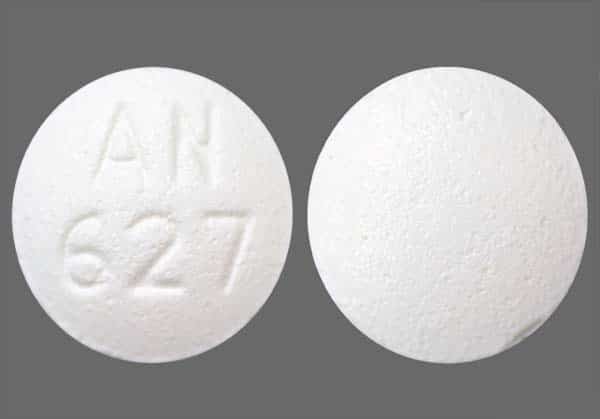

Klonopin, whose active ingredient is clonazepam, is a widely prescribed medication primarily used for seizure disorders and panic attacks. However, it can interact with various drugs and substances, affecting its safety and effectiveness. This guide offers a detailed, evidence-based overview of how Klonopin interacts with other medications, substances, and health conditions, enabling patients and healthcare providers to manage risks appropriately.
Background on Klonopin (Clonazepam)
Klonopin belongs to the benzodiazepine class, which enhances the activity of the neurotransmitter gamma-aminobutyric acid (GABA) in the brain. This action produces calming effects, helping to control seizures and reduce panic symptoms. Typical doses for seizure control can reach up to 20 mg daily, while for panic disorder, doses generally stay below 4 mg daily. Clonazepam is primarily metabolized by the liver via the CYP450 enzyme system, especially CYP3A4. Its long half-life supports once- or twice-daily dosing but also prolongs its presence in the body.
Risks associated with Klonopin include dependence, withdrawal symptoms, and overdose. Long-term use requires careful management to prevent tolerance and reliance. Overdose can cause severe CNS depression, respiratory suppression, and death, especially when combined with other depressants.
Core Concepts in Klonopin Drug Interactions
Understanding how other substances influence clonazepam's pharmacokinetics and pharmacodynamics is essential:
- Pharmacokinetic interactions: These involve changes in drug absorption, metabolism, or elimination, often mediated by liver enzyme activity. For example, enzyme inhibitors can elevate clonazepam levels, increasing sedative effects, while enzyme inducers can lower its concentration, reducing effectiveness.
- Pharmacodynamic interactions: These impact how clonazepam’s effects combine with other substances, often resulting in additive CNS depression. Combining multiple depressants increases the risk of respiratory failure and unconsciousness.
Drug Classes That Significantly Interact with Klonopin
| Drug Class | Interaction Details | Real-World Impact |
|---|---|---|
| CNS Depressants | Includes other benzodiazepines (such as Xanax), opioids (like morphine, oxycodone), sleep aids (zolpidem, trazodone), and alcohol. | Combining Klonopin with other CNS depressants causes cumulative brain activity suppression, significantly increasing risks of profound sedation, respiratory depression, coma, or death. This risk is heightened with opioids, which can dramatically elevate overdose buy klonopin 1mg online overnight mortality. |
| Antidepressants | SSRIs, SNRIs (such as sertraline, venlafaxine), tricyclics, and MAOIs — can influence drug metabolism or cause additive sedative effects. | Most antidepressants do not directly alter clonazepam levels but may increase sedation or impair alertness, especially in older adults. For instance, combining with SNRIs could cause dizziness or cognitive impairment. |
| Anticonvulsants | Valproate, carbamazepine, lamotrigine; some anticonvulsants induce or inhibit CYP3A4, affecting clonazepam concentrations. | Inducers like carbamazepine can decrease clonazepam’s plasma levels, risking breakthrough seizures. Conversely, inhibitors can lead to increased sedation and overdose risk. |
| Other Medications | Medications like amoxicillin generally do not significantly interact. However, some antipsychotics such as risperidone or quetiapine may enhance sedative effects. | Polypharmacy requires careful monitoring, as multiple sedatives can impair alertness, affect mobility, or increase fall risk. |
Non-Medication Factors Affecting Klonopin Interactions
Several non-drug factors influence how Klonopin interacts with other substances:
- Alcohol: Combining alcohol with Klonopin greatly intensifies CNS depression, increasing the risk of respiratory failure and coma. It is strongly advised to avoid alcohol during clonazepam therapy.
- Herbal Supplements: St. John’s Wort induces CYP3A4, which can reduce clonazepam levels, decreasing efficacy. Other herbs like ginseng or valerian can add sedative effects, increasing impairment.
- Occupational Exposures: Impaired alertness from CNS depressant combinations can compromise safety-critical tasks, such as driving or operating machinery.
Managing Specific Drug Interactions
Proper management involves awareness, monitoring, and strategic adjustments:
- Start low and adjust slowly: Initiate therapy at the lowest effective dose, especially when combining with other sedatives or CNS depressants.
- Regular monitoring: Observe for signs of excessive sedation, respiratory issues, or paradoxical reactions like agitation.
- Blood testing: When using high doses or multiple medications, blood tests can help monitor clonazepam levels, ensuring safety.
- Adjust doses or seek alternatives: When significant interactions are present, dose reductions, alternative medications, or non-pharmacological approaches may be necessary.
For example, co-prescribing Klonopin with opioids should only occur under strict medical supervision due to increased overdose risk. Likewise, adding SSRIs may require careful dose management if sedation or behavioral concerns arise.
Common Questions and Misconceptions
- Does Klonopin interact with antibiotics like amoxicillin? No significant interaction has been documented, facilitating co-prescription buy klonopin 2mg online overnight safely.
- Can I mix Klonopin with alcohol? This is highly discouraged, as the combination markedly increases life-threatening CNS depression risks.
- Are all benzodiazepines interchangeable regarding interactions? Not necessarily. Variations in half-life, potency, and metabolic pathways influence their interaction profiles.
- Is it safe to stop Klonopin abruptly? No. Sudden cessation can cause withdrawal seizures; gradual tapering under medical supervision is essential.
- Can herbal supplements replace medication? No. Always consult healthcare providers before attempting changes or supplements.
Situational and Personalized Recommendations
Individual circumstances dictate specific management strategies:
- Concurrent buy klonopin online without prescription CNS depressants: Use should be minimized and closely supervised to prevent respiratory depression or loss of consciousness.
- Liver impairment: Reduced hepatic function may necessitate lower doses and cautious monitoring due to altered metabolism.
- Pregnancy or breastfeeding: Clonazepam crosses the placenta and appears in breast milk, posing risks. Use only under expert guidance, with consideration of safety monitoring programs.
- Occupational risks: Assess potential impairment and advise on activity modifications as needed.
The Honest Tradeoffs of Klonopin Use
While Klonopin effectively manages seizures and panic attacks, it also presents significant risks:
- Benefits: Its long half-life provides stable blood levels, reducing breakthrough symptoms and improving quality of life.
- Risks: Long-term use can lead to tolerance, dependence, withdrawal syndromes, and dangerous drug interactions.
- Managing long-term use: Tolerance may necessitate dose adjustments, and discontinuation should be gradual to prevent withdrawal seizures.
Final Recommendations Based on Situation
- Patients using multiple CNS depressants should avoid combining them unless under strict medical supervision with appropriate dose adjustments.
- Those with liver issues require dose modifications and close monitoring.
- Individuals during pregnancy or breastfeeding should proceed only with specialist advice, considering fetal and infant safety.
- Always communicate with healthcare providers before changing medication routines or adding new drugs.
Conclusion
Recognizing and managing drug interactions with Klonopin is crucial for safe and effective treatment. Combining it with other CNS depressants, opioids, or certain medications can pose serious health risks unless carefully controlled. Regular consultation with healthcare professionals, vigilant monitoring, and adherence to prescribed guidelines are essential. Being aware of how non-medication factors influence drug behavior empowers patients to make informed decisions and optimize therapy outcomes.
Resources and References
- Professional guidelines on benzodiazepine management
- Contact details for poison control and emergency services
- Patient education materials on safe medication use
Summary
This guide emphasizes the importance of understanding drug interactions with Klonopin, including the effects of other medications, substances like alcohol, and individual health factors. Proper management involves monitoring, cautious prescribing, and consultation with healthcare providers to minimize risks such as respiratory depression, overdose, or withdrawal. Tailoring treatment based on personal circumstances enhances safety while ensuring therapeutic benefits.
Related Guides
FAQ
Does Klonopin interact with antibiotics like amoxicillin?
No significant interaction has been documented, making it generally safe to prescribe together when necessary.
Can I mix Klonopin with alcohol?
No. Combining alcohol with Klonopin increases the risk of severe respiratory depression, coma, or death and should be avoided.
Are all benzodiazepines interchangeable regarding interactions?
Not necessarily. Variations in pharmacokinetics and metabolism can influence their interaction profiles, so consult your healthcare provider before switching.