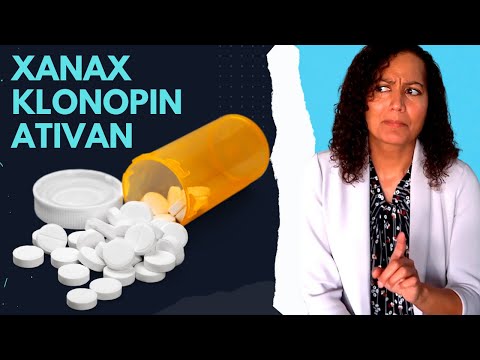

Klonopin, known generically as clonazepam, is a medication primarily used to control seizures and reduce anxiety, including panic attacks. While it can be highly effective for these conditions, it can also cause a range of side effects. This guide provides a detailed overview of the potential adverse effects, helping patients and caregivers understand what to watch for, how to manage common reactions, and when to seek medical attention.
What Does Klonopin Do in Practice?
Klonopin enhances the activity of gamma-aminobutyric acid (GABA), an inhibitory neurotransmitter in the brain. By boosting GABA’s calming effects, it reduces nerve excitability, leading to decreased seizure activity and lowered anxiety levels. Its sedative properties may also cause drowsiness, muscle relaxation, and impaired coordination. These CNS effects can influence daily functioning, particularly in tasks requiring alertness or physical coordination.
Common and Mild Side Effects
Most users experience mild, transient side effects during the initial phase of treatment. These are often manageable and diminish over time or with dose adjustments. Typical side effects include:
- drowsiness or sleepiness
- dizziness
- fatigue
- impaired coordination or balance issues
- dry mouth or increased saliva production
These effects stem from CNS depression caused by Klonopin's action, leading to sedation or physical slowing. Proper timing of doses, such as taking medication at bedtime, staying hydrated, and consulting with a healthcare provider about dose adjustments, can mitigate these symptoms. Usually, these mild side effects do not interfere significantly with daily activities after the body adjusts.
Serious and Long-term Side Effects
Though less common, some side effects can be severe and require immediate medical intervention. These include:
- significant memory impairment or confusion
- depression or mood changes, including suicidal thoughts
- respiratory depression (slowed breathing)
- allergic skin reactions or skin rashes
- liver function abnormalities
Prolonged use of Klonopin may lead to tolerance, necessitating higher doses for the same therapeutic effect and increasing the risk of dependence. Dependence can result in withdrawal symptoms—such as heightened anxiety, insomnia, tremors, seizures, or irritability—if the medication is stopped abruptly. Cognitive decline or mood disturbances may also develop over time, especially in vulnerable populations like the elderly or those with pre-existing health conditions.
Withdrawal and Dependence Risks
Regular, long-term use of Klonopin can lead to physical dependence. Discontinuation suddenly can trigger withdrawal symptoms, which include increased anxiety, insomnia, muscle tremors, heightened heart rate, seizures, and agitation. These symptoms occur because the brain reduces natural GABA activity to adapt to the medication’s presence, resulting in a rebound effect upon stopping.
To prevent withdrawal complications, healthcare providers recommend a gradual tapering of the dose. This controlled reduction allows the brain to readjust to normal GABA function, minimizing withdrawal severity. The risk of dependence increases with prolonged use, higher doses, or in individuals with a history of substance use disorders.
How Klonopin's Side Effects Differ From Other Benzodiazepines
Klonopin's longer half-life means it stays in the system longer, leading to smoother plasma levels and potentially fewer rebound symptoms like rebound anxiety or insomnia. This can improve tolerability, but extended presence also means adverse effects may persist longer if they occur. Shorter-acting benzodiazepines might cause more rapid onset of withdrawal symptoms and where can i buy klonopin online more noticeable rebound effects, influencing medication choice based on individual needs and risk factors.
Real-World Experience and Scenarios
In acute situations such as panic attacks, Klonopin can provide rapid symptom relief, but side effects like drowsiness may impair immediate functioning. Long-term use necessitates routine monitoring to balance therapeutic benefits with potential risks, including dependence and cognitive effects. In pediatric patients, prolonged use should be carefully considered due to developmental concerns, while elderly patients require cautious dosing to prevent falls, confusion, and cognitive decline.
Assessing Risks and Benefits
Deciding to use Klonopin involves evaluating its effectiveness in controlling seizures or anxiety against the potential for side effects and dependency. When used responsibly and under medical supervision, it has a well-documented safety profile. Nonetheless, long-term risks such as cognitive impairment, dependence, and physical health effects necessitate regular review by healthcare providers. Exploring alternative therapies or adjunct options may be appropriate if adverse effects occur or if ongoing use becomes problematic.
Common Questions and Clarifications
Is Klonopin safe for everyone?
No. It requires caution in populations such as the elderly, children, and individuals with liver disease. A thorough medical assessment is essential to determine suitability.
Can side effects be prevented?
While not entirely preventable, side effect likelihood can be minimized through appropriate dosing, timing, and regular monitoring by a healthcare provider.
Do side effects always resolve?
Many mild side effects resolve with time or dose adjustment. However, some may persist, especially with long-term use. Dependence and withdrawal effects require careful management by medical professionals.
Practical Recommendations
- Begin treatment with the lowest effective dose and regularly assess its impact.
- Monitor for side effects, especially during initial treatment and dose changes.
- Consider ongoing evaluation of the need for continued therapy where to buy klonopin online to prevent unnecessary dependence.
- Use caution in children and elderly patients, exploring alternatives where appropriate.
- Promptly report any adverse reactions to your healthcare provider for possible dose adjustment or alternative measures.
Summary
Klonopin can cause a spectrum of side effects, from mild and transient reactions to serious health concerns. Recognizing and managing these effects is vital for safe use, especially considering risks like dependence and long-term cognitive impact. Regular medical oversight, responsible prescribing, and patient education are key to balancing the medication’s benefits with its potential adverse effects.