
If you experience unexpected sleepiness or exhaustion after taking Adderall, you are not alone. While Adderall is known for increasing alertness and focus, some users report feeling more tired than energized. This guide provides a detailed explanation of why Adderall can cause fatigue, how it interacts with your nervous system, and effective strategies to manage these reactions. Whether you're new to Adderall or seeking ways to mitigate side effects, understanding these mechanisms can help optimize your experience.
1. How Adderall Affects Sleep and Alertness
Adderall functions by elevating dopamine and norepinephrine levels in the brain, which generally enhances focus, motivation, and wakefulness. However, the neurochemical changes it induces can trigger complex feedback mechanisms that may lead to feelings of fatigue.
For instance, a rapid increase in dopamine can set off the brain's regulatory processes, resulting in a 'counterreaction' that produces tiredness. Additionally, when taken later in the day, Adderall can disrupt your body's natural circadian rhythms and melatonin production, impairing sleep quality and causing fatigue the following day. This disruption is a common reason why some users experience feeling more tired despite stimulant use.
2. Common Causes of Fatigue and Sleepiness with Adderall
Several factors influence why Adderall might make you tired instead of providing sustained energy:
- Genetic and Neurochemical Variability: Individual differences in brain chemistry and genetic factors affect how you metabolize and respond to stimulants. Some people have lower baseline dopamine or altered receptor sensitivities, which can lead to paradoxical reactions such as fatigue.
- Dosing Levels and Timing: High doses or inconsistent dosing schedules can overwhelm your nervous system, triggering fatigue as your body attempts to restore neurochemical balance. Proper titration is essential to prevent energy crashes.
- Sleep Disruption: Adderall's interference with sleep onset and quality often results in daytime fatigue, especially when taken late or without adequate sleep. Poor sleep can deplete your energy reserves independent of medication effects.
- Diet and Blood Sugar Fluctuations: Skipping meals or consuming high-sugar foods can cause blood sugar swings, contributing to fatigue. A balanced diet with sufficient protein stabilizes energy levels during medication use.
- Coexisting Conditions and Mental State: Anxiety, depression, and sleep disorders can intensify fatigue. Additionally, mental overactivity, such as racing thoughts, can exhaust your cognitive resources, leading to exhaustion.
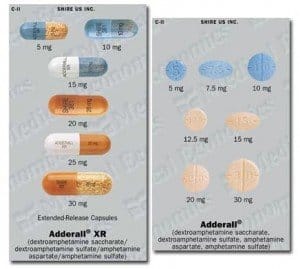
- Formulation Differences: Immediate-release formulations cause rapid peaks and troughs in medication levels, often leading to energy dips. Extended-release versions provide steadier effects but may still affect individuals differently, influencing fatigue patterns.
3. The Neurochemical and Biological Mechanisms Behind Fatigue
Adderall increases activity of neurotransmitters like dopamine, norepinephrine, and serotonin, initially boosting alertness. Still, over time, the depletion or imbalance of these chemicals can lead to fatigue. For some individuals, genetic variations result in different responses, with the nervous system overcompensating by reducing activity, manifesting as tiredness rather than energy.
Sudden neurochemical surges trigger feedback mechanisms, such as receptor downregulation or increased metabolic clearance, which can cause an energy crash. This paradoxical fatigue is often misunderstood but is rooted in the brain's effort to maintain homeostasis amidst stimulant effects.
4. Strategies for Managing and Minimizing Fatigue
Personalized Dose Adjustments and Titration
- Start with a Low Dose and Titrate Gradually: This approach allows your nervous system to adapt, minimizing rebound fatigue and sleep disturbances.
- Switch Formulations if Needed: Transitioning from immediate-release to extended-release Adderall can promote steadier energy levels and reduce crashes.
Timing and Scheduling
- Take Medication Early in the Day: Dosing early helps prevent sleep interference, reducing next-day fatigue.
- Incorporate Short Naps: Brief rest periods (10-20 minutes) can help restore energy, especially if taken before fatigue sets in.
Diet and Blood Sugar Control
- Eat a Protein-Rich Breakfast: Stabilizes blood sugar levels and sustains energy throughout the day.
- Limit Excess Caffeine: While caffeine can mask fatigue temporarily, overuse may worsen sleep quality and overall tiredness.
Non-Pharmacological Approaches
- Maintain Consistent Sleep Hygiene: Regular sleep and wake times reinforce natural circadian rhythms.
- Engage in Regular Exercise and Stress Reduction: Physical activity and relaxation techniques support overall energy and mental clarity.
Booster Doses and Transition Strategies
- Use Boosters Cautiously: Small early doses can alleviate late-day fatigue but must be managed carefully to prevent overstimulation.
- Avoid Overuse: Excessive dosing to combat fatigue can trigger increased mental noise or energy crashes once effects diminish.
5. Differentiating Between Natural Tiredness and Medication-Induced Sleepiness
Understanding whether fatigue stems from medication, sleep deficits, or stress is crucial. how to buy adderall online Signs of medication-related fatigue include:
- Onset shortly after taking Adderall
- Feeling excessively tired despite earlier stimulant effects
- Rebound fatigue as medication wears off
Keeping a detailed journal of dose times, sleep quality, and energy levels helps identify patterns and refine your approach.
6. When to Seek Help and Discuss Alternative Options
If fatigue persists despite adjustments, consult your healthcare provider for personalized guidance. They might recommend:
- Switching to non-stimulant medications like Atomoxetine is a non-stimulant medication primarily used to treat attention deficit hyperactivity disorder (ADHD). It works by selectively inhibiting the reuptake of norepinephrine in the brain, which helps improve attention and reduce impulsivity and hyperactivity. It is marketed under the brand name Strattera, among others. Unlike stimulant medications, atomoxetine is not classified as a controlled substance and has a different side effect profile, which may include gastrointestinal upset, decreased appetite, insomnia, increased blood pressure, and rare but serious liver damage. It is recommended to be used under medical supervision, with dosage tailored to the patient's age and response.(https://www.example.com/adderall-pills) or guanfacine
- Assessing coexisting conditions that may worsen fatigue
- Integrating behavioral therapies or lifestyle modifications
Open communication ensures effective adjustment strategies and side effect management.
7. Honest Tradeoffs and No One-Size-Fits-All Solution
Optimizing Adderall treatment involves balancing benefits with potential side effects. Higher doses may improve alertness but increase risks of sleep disruption and fatigue. Extended-release formulations provide more stable effects but can still produce individual variances.
Personal response varies, so ongoing monitoring and adjustments with your healthcare provider are essential for finding the best fit.
8. Common Questions and Misconceptions
- Why do some people feel sleepy instead of wired? Variations in genetics and brain chemistry influence individual reactions, leading to paradoxical fatigue.
- Can diet or supplements help prevent fatigue? Balanced meals, especially with sufficient protein, support stable blood sugar but have limited direct impact unless addressing specific deficiencies or co-morbidities.
- How long does it take to adjust? Usually several weeks as your body adapts to medication changes and dosing schedules.
- Is paradoxical reaction permanent? Typically not; reactions often diminish as your system adjusts or with medication modifications.
- Do non-stimulant options eliminate fatigue? They may reduce paradoxical reactions but won't eliminate fatigue caused by other factors like sleep issues or stress.
9. A Practical, Evidence-Based Approach to Personalizing Your Treatment
Effective management involves combining medication strategies with lifestyle modifications:
- Regularly monitor your energy, sleep, and response to medication
- Adjust doses cautiously under medical supervision
- Prioritize sleep hygiene, balanced diet, regular exercise, and stress reduction
- Utilize tracking tools to identify triggers and optimize routines
10. Verdict: Do The Benefits Outweigh the Fatigue?
The decision depends on your individual response. For many, careful dose management and lifestyle adjustments can mitigate fatigue, making the benefits of improved focus worthwhile. Others may find side effects outweigh the benefits, leading to trials of alternative medications or therapies. Personalized, gradual adjustments paired with open communication with your healthcare provider are key to achieving the best outcomes.
Conclusion
Understanding why Adderall can cause tiredness involves recognizing its complex neurochemical effects, impact on sleep, and individual body chemistry. While paradoxical reactions can be challenging, they are often manageable with tailored strategies. Prioritize personalized care, monitor your responses closely, and maintain honest dialogue with your healthcare team to find the optimal treatment balance for your needs.
Summary
This guide explains the reasons behind Adderall-induced fatigue, including neurochemical responses, individual variability, and lifestyle factors. Practical strategies include dose titration, timing adjustments, diet management, and lifestyle modifications. Continuous monitoring and communication with your healthcare provider improve outcomes and minimize side effects, ensuring you can use Adderall effectively with fewer concerns about tiredness.
Related Guides
- Understanding Adderall Pills: Types and Effects
- Exploring the Adderall Drug Class and Its Mechanisms
- Adderall Brand Name Variations and Formulations
FAQ
Why do some people feel sleepy instead of wired?
Variations in brain chemistry, genetics, and individual dose responses can cause paradoxical reactions, leading to fatigue instead of increased alertness.
Can diet or supplements prevent fatigue caused by Adderall?
Maintaining stable blood sugar with balanced meals, especially protein-rich foods, supports consistent energy. However, supplements typically have limited impact unless addressing specific deficiencies or co-morbidities.
How long does it usually take to adjust to Adderall?
Most individuals need several weeks of careful dosing and lifestyle adjustments to find the optimal balance buy adderall 10mg online and minimize side effects.
Is paradoxical fatigue a permanent reaction?
Generally not. These reactions tend to diminish over time or with changes in medication or dosing, as the body adjusts.
Are non-stimulant medications effective in reducing fatigue?
They can be beneficial for some individuals and may lessen paradoxical reactions, but they might not eliminate fatigue caused by sleep or lifestyle factors.