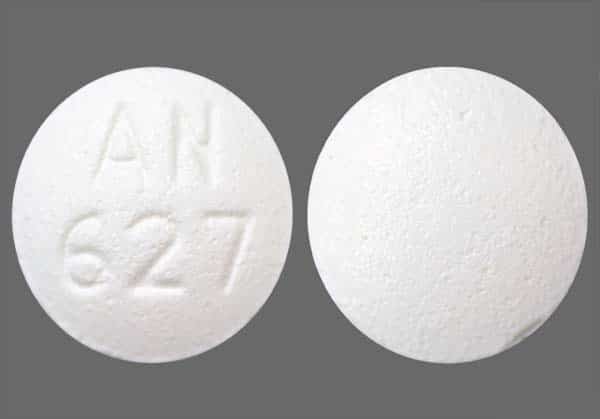

Individuals prescribed Klonopin (clonazepam) often seek alternatives due to concerns about dependency, side effects, or long-term safety. Whether you're considering reducing your dosage, switching medications, or exploring holistic options, understanding your choices is essential. This comprehensive guide compares prescription alternatives and natural approaches, helping you find effective strategies tailored to your needs.
Understanding Klonopin: Uses, Effects, and Risks
Clonazepam (Klonepin) enhances GABA activity in the brain, rapidly calming neuronal activity to reduce anxiety, panic attacks, seizures, and insomnia. Despite its effectiveness, Klonopin carries risks such as dependence, withdrawal symptoms, cognitive impairment, and potential misuse. For long-term management, selecting alternatives that mitigate these risks can be beneficial.
Pharmaceutical Alternatives to Klonopin
Choosing an appropriate replacement depends on your specific health goals—whether rapid relief, safety, or minimal dependency. Here are clinically recognized options:
1. Buspirone
Buspirone is a non-benzodiazepine anxiolytic primarily used for generalized anxiety disorder. It works by binding to serotonin receptors, providing anxiety relief without sedation or addiction potential. Its onset is slower—often several weeks—making it less suitable for immediate panic attacks. It is ideal for those seeking long-term anxiety control without the dependency risks associated with benzodiazepines. Learn more about Klonopin (clonazepam).
2. Hydroxyzine
This antihistamine possesses sedative properties, providing rapid relief—often within an hour—for short-term anxiety and sleep disturbances. Since it does not interact with GABA pathways, it carries minimal dependency potential. Its main benefits include quick onset and suitability for situational anxiety or insomnia. Side effects may include drowsiness, dry mouth, and dizziness. It is effective for short-term use but less ideal for ongoing anxiety management.
3. SSRIs and SNRIs
Selective serotonin reuptake inhibitors (e.g., fluoxetine, sertraline) and serotonin-norepinephrine reuptake inhibitors (e.g., venlafaxine) are first-line treatments for chronic anxiety and depression. They work gradually—taking several weeks—but effectively reduce persistent anxiety non-dependently. They can cause sleep disturbances, gastrointestinal issues, or sexual dysfunction, but are safe for long-term use. Proper monitoring is recommended when considering these options.
4. Gabapentin and Pregabalin
Originally designed for nerve pain, these medications can alleviate anxiety, especially in patients with comorbid neuropathy. They work by modulating calcium channels to decrease neurotransmitter release. Benefits include low addiction potential and calming effects. Limitations involve side effects such as dizziness, fatigue, and weight gain. Their off-label application for anxiety requires careful medical supervision.
Natural and Holistic Approaches to Anxiety and Sleep
Incorporating non-pharmaceutical strategies can reduce reliance on medications and promote overall mental health. Evidence-based approaches include:
1. Cognitive Behavioral Therapy (CBT)
CBT is proven to help reframe negative thought patterns that fuel anxiety. It offers lasting relief and builds resilience, especially when combined with other treatments. Although it requires time and effort, it empowers individuals to manage symptoms independently, reducing medication dependence.
2. Mindfulness and Meditation
Practicing mindfulness and meditation boosts natural GABA levels and stress management, providing quick calming effects and long-term benefits. Consistent practice enhances emotional regulation, although initial discipline is needed to establish habits.
3. Acupuncture and Traditional Chinese Medicine (TCM)
Acupuncture aims to rebalance nervous system function and has support from studies indicating benefits for anxiety and sleep disorders. It complements other interventions but depends on trained practitioners and ongoing treatment sessions.
4. Sauna and Heat Therapy
Regular use of saunas can promote relaxation by increasing endorphins and neurohormones. While effective for stress reduction, overuse and dehydration risks should be managed carefully. It is a natural method to support mental well-being alongside other therapies.
5. Neurofeedback and Biofeedback
These techniques teach self-regulation of physiological responses such as heart rate and muscle tension. They are most effective with consistent practice and access to specialized equipment, making them suitable for long-term resilience building.
Addressing Environmental Factors
Neurotoxins like pesticides or heavy metals may overstimulate the nervous system, exacerbating anxiety. Detoxification strategies, including nutritional interventions and lifestyle modifications, can alleviate neuroinflammation and improve brain health, indirectly supporting anxiety management.
Evaluating Effectiveness, Dependence, and Suitability
Fast-acting medications like hydroxyzine offer quick relief but lack long-term benefits and may cause drowsiness. Buspirone and SSRIs are safer for daily use, but require patience for effects. Holistic approaches provide durable benefits but may take longer to manifest. For severe panic attacks, immediate relief is often necessary through medication, while sustainable anxiety management benefits from integrated lifestyle modifications.
Considering External Factors and Toxin Exposure
Neurotoxins in the environment can disrupt neurotransmitter balance, complicating anxiety treatment. Detox strategies, including dietary support and lifestyle changes, can enhance medication effectiveness and overall brain health. Recognizing and mitigating toxin exposure is vital for comprehensive management.
Common Questions and Misconceptions
- Can natural remedies replace Klonopin effectively? In some cases, especially for mild to moderate anxiety, natural and holistic approaches can be effective when combined with lifestyle changes, but severe anxiety often requires medication.
- Is dependence unavoidable with benzodiazepines? While risk exists, gradual tapering and exploring alternatives can reduce dependence, particularly with professional supervision.
- Do non-medication methods work for severe anxiety? They may require longer to take effect but can significantly reduce reliance on pharmaceuticals over time.
- Will tapering off Klonopin cause withdrawal? Potentially, yes—supervised dose reduction minimizes withdrawal symptoms and risks.
- Are newer medications safer? Typically, they have lower dependency risks but may have distinct side effects or limited immediate efficacy.
Practical Recommendations Based on Your Needs
- If quick relief with lower dependency risk klonopin online buy is desired: consider hydroxyzine or buspirone for short-term management, combined with therapy.
- For long-term, sustainable management: combine CBT, mindfulness, healthy lifestyle changes, and cautious pharmacology like SSRIs to minimize benzodiazepine use.
- If environmental toxins are involved: incorporate detox practices alongside other treatments for better outcomes.
- Tailor your approach: for occasional panic attacks, short-term medications may be appropriate; for chronic anxiety, integrate holistic strategies klonopin to buy online without prescription for lasting control.
Assessing Your Suitability for Replacing Klonopin
Replacing Klonopin depends on your individual circumstances. While no single alternative replicates its rapid action, a combination of safer medications and lifestyle interventions can effectively manage your symptoms. Consult a healthcare professional to design a personalized, gradual transition plan—especially when tapering benzodiazepines—to ensure safety and optimal results.
Summary
Effective anxiety and sleep management often involves a mix of medication and holistic strategies. Quick-acting drugs like hydroxyzine offer immediate relief, while long-term solutions such as CBT, mindfulness, and safe pharmacotherapy provide durable benefits. Considering environmental factors and detoxification can further enhance treatment outcomes. Always pursue professional guidance for safe, personalized medication adjustments or replacements.
Related Guides
- Clonazepam (Klonopin) Overview
- Generic Medications for Anxiety
- Generic Names and Alternatives
- Understanding Klonopin Pills
- Klonopin for Sleep Disorders
- Klonopin's Drug Class Explained
- Klonopin and Xanax Equivalence
- Klonopin's Pharmacological Classification
- Klonopin for Anxiety: When and How
FAQ
Can natural remedies replace Klonopin effectively?
For mild to moderate anxiety, natural and holistic interventions can be effective, especially when combined with lifestyle changes. Severe cases often require medication for rapid relief, but natural approaches can reduce reliance over time.
Is dependence unavoidable with benzodiazepines?
Dependence risk exists, but with proper tapering and alternative therapies, dependence can be minimized. Professional supervision is crucial when reducing or stopping medications like Klonopin.
Do non-medical approaches work for severe anxiety?
They may require additional time and patience but can significantly support long-term management and decrease medication dependence when integrated with medical treatments.
Will tapering off Klonopin cause withdrawal?
Potential withdrawal symptoms exist reliable place to buy klonopin online but can be mitigated through carefully supervised dose reduction plans with your healthcare provider.
Are newer medications safer?
Generally, newer medications tend to have lower dependence potential but may come with different side effects or limited efficacy for immediate symptom relief.