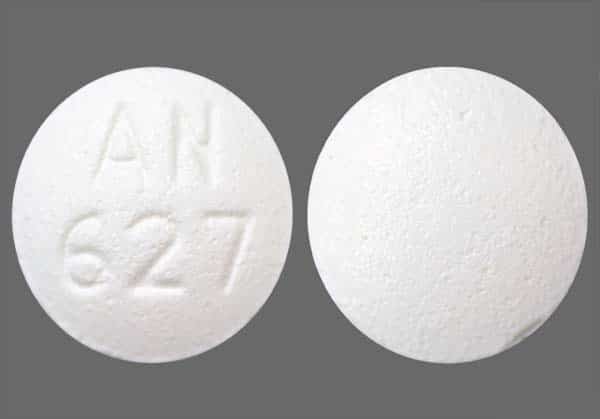

Embarking on the process of discontinuing Klonopin (clonazepam) requires a thorough understanding of what to expect physically and psychologically. This guide provides detailed insights into the withdrawal process, symptoms, timelines, and strategies to ensure safety and success. Whether you're considering tapering off after long-term use or seeking to understand the risks involved, this resource offers expert knowledge to support informed decision-making and effective management. Recognizing the neurochemical changes involved, the importance of medical supervision, and the ways to support brain recovery can significantly influence outcomes. This guide is designed for individuals seeking to safely navigate Klonopin withdrawal and for healthcare professionals supporting patients through this process.
Understanding Klonopin (Clonazepam): Uses, Risks, and Dependence
Klonopin, known generically as clonazepam, is prescribed for managing seizures, panic disorders, and sometimes anxiety. It enhances the calming effects of the neurotransmitter GABA, promoting relaxation and reducing neural excitability. However, with extended use, the brain adapts to these effects, leading to physical dependence—a state where the body relies on the drug to maintain normal functioning. Dependence increases the risk of withdrawal symptoms upon cessation and highlights the need for gradual tapering. Long-term use can also pose risks such as cognitive impairment, sedation, and increased reliance, making careful, supervised discontinuation essential. Additionally, understanding klonopin's classification as a benzodiazepine and its status as a controlled substance underscores the importance of responsible management.
The Physiology of Benzodiazepine Dependence and Withdrawal
Klonopin interacts with GABA receptors, causing downregulation over time through neuroadaptation. This process, known as tolerance, results in decreased receptor sensitivity and reduced natural GABA production. When medication use is decreased or stopped, the GABA system’s underactivity leads to a state of neural hyperexcitability. The brain must undergo neuroplastic changes to restore original balance—a process that can extend over weeks to months. During this period, symptoms such as anxiety, tremors, and seizures reflect the brain’s ongoing effort to regain homeostasis. Supporting these neural adjustments through medical intervention is crucial for minimizing disturbances and promoting recovery.
Recognizing Klonopin Withdrawal Symptoms
Withdrawal manifests through an array of symptoms resulting from neurochemical imbalance. Physical symptoms include tremors, headaches, sweating, where do i buy klonopin online nausea, muscle stiffness, and dizziness. Psychological signs often involve heightened anxiety, agitation, insomnia, irritability, and mood swings. In severe cases, the risk of seizures, psychosis, or delirium increases, especially if withdrawal is abrupt or unmanaged. Accurate identification of symptoms allows for timely medical response, ensuring safety and comfort during the discontinuation process. It is critical to distinguish between mild discomforts and signs indicating complications that require immediate attention.
The Klonopin Withdrawal Timeline: What to Expect
The duration and intensity of withdrawal vary depending on factors such as dosage, duration of use, individual metabolism, and tapering method. Typically, initial symptoms emerge within the first 48 to 72 hours and include heightened anxiety, insomnia, and physical discomfort. Middle phases may involve mood swings, rebound insomnia, and emotional lability, with symptoms fluctuating over weeks. Long-term issues such as persistent anxiety or cognitive difficulties may last several months, gradually diminishing as the brain recovers. Having a clear timeline helps set realistic expectations and underscores the importance of patience and ongoing support during recovery.
The Critical Role of Medical Supervision in Withdrawal
Ceasing Klonopin suddenly can precipitate dangerous reactions, including seizures, which makes professional guidance indispensable. A healthcare provider can develop a personalized tapering plan, gradually reducing the dose over weeks or months, thereby minimizing withdrawal severity. In inpatient settings, close monitoring ensures immediate intervention if severe symptoms arise. Outpatient programs are suitable for less severe dependence, provided there is consistent medical oversight. Attempting to taper without professional input increases risks of unmanaged symptoms and health complications. Therefore, engaging healthcare professionals ensures the safest and most effective pathway through withdrawal.
Effective Strategies for Managing Withdrawal Symptoms
Personalized, gradual tapering strategies reduce discomfort and minimize health risks. Pharmacological support, including adjunct medications like anti-anxiety agents or anticonvulsants, can mitigate symptoms such as severe anxiety or seizures. Complementary therapies—such as cognitive-behavioral therapy, stress-reduction techniques, and proper nutrition—enhance resilience. Establishing a strong support network and maintaining regular medical monitoring help adapt the plan as needed, ensuring safety and comfort. This comprehensive approach decreases relapse risks and promotes a stable transition to sobriety and long-term well-being.
Deep Dive: Neurological Changes During Klonopin Withdrawal and Brain Recovery Support
Withdrawal prompts neurological reorganization as the brain works to restore GABA receptor function. Neuroplasticity facilitates this recovery but progresses slowly. Supporting brain health involves nutritional supplements like omega-3 fatty acids and magnesium, which promote neural repair. Some cases may utilize neuroprotective medications under medical supervision to assist healing. Lifestyle modifications such as regular exercise and sleep hygiene further enhance neurogenesis and cognitive recovery. Emerging research supports that with comprehensive care, cognitive functions can be fully restored, and long-term brain health maintained after withdrawal.
Inpatient vs Outpatient Detox: An In-Depth Comparison
| Inpatient Detox | Outpatient Detox |
|---|---|
| Provides 24/7 medical supervision, ideal for severe dependence or high seizure risk. | Suitable for mild dependence; allows continued daily activities with regular medical oversight. |
| Structured environment with immediate access to healthcare resources. | Flexible schedule; requires strong support system and adherence to medical guidance. |
| Often recommended for individuals with co-occurring health issues or previous severe withdrawal episodes. | Preferred for less complex cases, providing safety while maintaining social and work commitments. |
Long-term Recovery and Support Systems
Discontinuation marks the beginning of ongoing recovery efforts. Therapy options like behavioral therapy help address underlying anxieties or triggers. Building resilience involves maintaining a healthy lifestyle—balanced diet, regular exercise, and sufficient sleep. Support groups and community resources provide accountability and emotional reinforcement. Continued professional support aids in managing psychological triggers and preventing relapse. Long-term stability depends on a comprehensive, sustainable strategy that addresses both physical and emotional health, supporting a successful transition to a sober life.
Common Questions and Misconceptions About Klonopin Withdrawal
Is Klonopin withdrawal dangerous?
It can be, especially if stopped abruptly or without medical supervision. The risk of severe reactions like seizures underscores the importance of gradual tapering under healthcare guidance.
How long does withdrawal typically last?
The timeline varies, but initial symptoms usually resolve within weeks, while some psychological effects can persist for several months. Patience and support are vital.
Does dependence mean addiction?
Dependence involves physiological adaptation, which is not synonymous with addiction. However, dependence can increase the risk of misuse if not properly managed.
Can I relapse after stopping Klonopin?
Yes, relapse is possible, particularly if underlying conditions remain unaddressed. Ongoing support and therapy reduce this risk.
Personalized Recommendations Based on Specific Situations
Individual factors influence the withdrawal approach. Long-term users or those with co-existing mental health conditions should adopt a slower, supervised taper. Experience with prior withdrawal attempts informs necessary adjustments, especially if previous episodes involved severe symptoms. Consulting healthcare providers ensures tailored strategies that consider age, overall health, and support systems. No one-size-fits-all plan exists; customizing the process enhances safety and promotes complete recovery.
Verdict
The most effective and safest approach to discontinuing Klonopin involves a gradual taper guided by medical professionals. Rapid cessation elevates risks, including seizures. Personalized plans, combined with supportive therapies and diligent monitoring, optimize outcomes. While withdrawal may present challenges, informed management minimizes risks and lays the foundation for sustained recovery. Planning and buy klonopin online professional oversight are essential for a safe transition away from dependence.
Conclusion
In summary, Klonopin withdrawal encompasses complex neurochemical and psychological factors. Recognizing symptoms, understanding typical timelines, and implementing carefully managed tapering strategies are paramount. Professional guidance ensures safety and increases the likelihood of successful recovery. Patience, ongoing support, and an informed approach are key. If you or a loved one are considering stopping Klonopin, consulting healthcare providers will help facilitate a reliable place to buy klonopin online safer, smoother journey toward lasting well-being.
Summary
This guide highlights the importance of understanding Klonopin dependence and withdrawal, emphasizing personalized tapering strategies under medical supervision. Recognizing withdrawal symptoms and their timelines is critical for safety. Supporting brain recovery through lifestyle and medical interventions enhances long-term outcomes. Patience and ongoing professional support are vital components of successful discontinuation and sustained recovery.