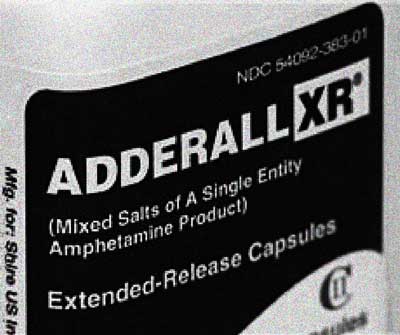

This comprehensive guide provides detailed information about the side effects associated with Adderall XR, a medication frequently prescribed for Attention Deficit Hyperactivity Disorder (ADHD). Designed for patients, caregivers, and healthcare providers, it explains how Adderall XR interacts with the body, what adverse effects may occur, and which factors influence susceptibility. By understanding these aspects, users can make informed decisions and effectively manage potential side effects.
Background and Context of Adderall XR
Adderall XR is an extended-release capsule containing a mixture of amphetamine salts, primarily D-amphetamine, L-amphetamine, and related compounds. Its formulation allows for a steady release of stimulant medication over several hours, reducing the frequency of dosing. When taken correctly—swallowed whole without crushing or splitting—it releases gradually, reaching peak plasma levels approximately three hours after ingestion.
The pharmacokinetics of Adderall XR influence its side effect profile. The controlled release results in a more uniform stimulant effect, often leading to fewer or less severe adverse reactions compared to immediate-release formulations. Adherence to prescribed dosing and administration guidelines is crucial for minimizing side effects and maximizing the medication's therapeutic benefits. For a foundational understanding of the medication itself, refer to what-is-adderall.
Common Mild Side Effects of Adderall XR
Many individuals experience mild, transient side effects when taking Adderall XR. These often include:
- Sleep disturbances: Insomnia can occur because stimulants activate the nervous system. Establishing a consistent sleep routine and avoiding caffeine in the evening can mitigate this issue.
- Decreased appetite and weight loss: Stimulant activity suppresses hunger, which may affect growth in children and adolescents. Monitoring nutrition and weight is important during treatment.
- Dry mouth: Reduction in saliva production can lead to discomfort and an increased risk of dental issues if not managed.
- Gastrointestinal discomfort: Nausea, stomach ache, or indigestion may occur due to gut stimulation by the medication.
- Psychological symptoms: Nervousness, irritability, headaches, and dizziness are common initially but usually diminish with time or dose adjustments.
Serious Side Effects and Health Risks of Adderall XR
Although many side effects are mild, some adverse effects can be severe and require immediate medical attention. These include:
- Cardiovascular risks: Increased heart rate (tachycardia), elevated blood pressure, arrhythmias, or chest pain can occur. Individuals with existing heart conditions should undergo thorough evaluation before starting treatment.
- Psychiatric effects: Anxiety, agitation, aggression, mood swings, or worsening of existing mental health conditions can develop. Continuous monitoring is essential, especially for those with a history of psychiatric disorders.
- Growth delays: Long-term use in children has been linked to slowed growth. Regular growth monitoring is advised for pediatric patients.
- Dependence and abuse potential: Since Adderall stimulates dopamine pathways, there is a risk of misuse. Early signs include cravings or taking higher doses than prescribed.
- Rare but severe reactions: Allergic responses, Stevens-Johnson syndrome, or neuroleptic malignant syndrome, although infrequent, necessitate prompt medical intervention if symptoms arise.
Cardiovascular Side Effects: Impact on Heart and Blood Pressure
The stimulant effects of Adderall XR increase catecholamines—dopamine and norepinephrine—in circulation, causing blood vessels to constrict and the heart rate to rise. This can lead to elevated blood pressure and arrhythmias, posing risks particularly to individuals with pre-existing cardiovascular conditions.
Monitoring includes baseline assessments and regular checks of blood pressure and heart rate. Symptoms such as chest pain or fainting warrant immediate evaluation. For detailed information on the cardiovascular effects, visit the section on what-is-adderall.
Differentiating Side Effects Between Adderall XR and Other ADHD Medications
Compared to non-stimulant medications like atomoxetine (Strattera), Adderall XR’s side effect profile emphasizes stimulant-related effects such as sleep disturbance, appetite suppression, and psychiatric symptoms. Non-stimulants may have fewer immediate effects but vary in onset and efficacy. The extended-release formulation provides a steadier effect than immediate-release versions, which often cause more pronounced peaks and troughs in blood levels, influencing side effect severity and duration.
Who Is Most Susceptible to Adderall XR Side Effects?
Various factors influence individual responses to Adderall XR. Children and adolescents are more prone to growth suppression and appetite changes, necessitating careful monitoring. Adults with pre-existing cardiovascular issues—such as hypertension or arrhythmias—face higher risks for serious heart effects. Those with psychiatric histories, including anxiety or bipolar disorder, may experience exacerbation of symptoms.
Individuals with a history of substance abuse require cautious evaluation due to increased risk of dependence and misuse. Genetic factors affecting drug metabolism can also influence side effect severity, making personalized medical assessment crucial.
Managing and Mitigating Side Effects
Proactive management involves starting with the lowest effective dose and titrating gradually. Lifestyle strategies, such as good sleep hygiene, staying well-hydrated, and maintaining a balanced diet, help reduce common issues like insomnia and appetite suppression.
Regular medical monitoring—including blood pressure, heart rate, and mental health check-ins—is essential. Adjustments in dosing, switching medications, or adding behavioral strategies may be necessary if side effects persist or become problematic.
Common Questions and Clarifications
Many people inquire if side effects are dose-dependent. While higher doses generally increase the likelihood and intensity of side effects, individual responses vary. Many side effects diminish over time as the body adapts, especially with dose adjustments.
Initial side effects, such as insomnia or appetite loss, are often transient but require attention if they persist or worsen. Serious symptoms—including chest pain, fainting, or severe psychiatric change—necessitate prompt medical evaluation.
Combining Adderall XR with monoamine oxidase inhibitors (MAOIs) is dangerous and can cause severe interactions. Always inform healthcare providers about all medications being taken.
Final Recommendations Based on Situational Factors
For individuals without significant heart risks, routine monitoring and adherence to prescribed doses generally suffice. Patients with pre-existing cardiac conditions should undergo thorough evaluations before initiating therapy. Children require ongoing growth and development monitoring, with adjustments as needed.
For patients with a history of substance abuse, careful benefit-risk assessment is essential, along with close supervision. Proper medication handling—storing securely and following dosing instructions—reduces misuse risk. Open communication with healthcare providers ensures early detection and management of side effects.
Summary
Adderall XR offers effective symptom management for ADHD but carries potential side effects ranging from mild to severe. Common effects include sleep disturbances, appetite suppression, and dryness, while serious risks involve cardiovascular and psychiatric complications. Individual susceptibility depends on health status, age, genetics, and usage patterns. Close medical supervision and personalized treatment plans are critical for minimizing adverse reactions and optimizing benefits.
Related Guides
FAQ
What are the most common side effects of Adderall XR?
Common side effects include insomnia, reduced appetite, dry mouth, headaches, dizziness, and nervousness. These are typically mild and tend to diminish with time or dose buy adderall 10mg online adjustment.
Can Adderall XR cause long-term health problems?
Long-term use may impact growth in children, and there is a risk of cardiovascular effects and dependence. Regular monitoring and healthcare how to buy adderall online provider oversight are essential to mitigate these risks.
How can side effects of Adderall XR be managed?
Starting with the lowest effective dose, titration, lifestyle modifications, and routine monitoring help manage side effects. Adjustments or alternative treatments should be considered if adverse effects are severe or persistent.