
Introduction
This comprehensive guide provides evidence-based information about Adderall overdose, emphasizing how to recognize it, understand its physiological and psychological effects, and adopt safety practices. Whether you are a patient prescribed Adderall, a caregiver, or concerned about misuse, this guide equips you with essential knowledge. You will learn about overdose symptoms, physiological effects at different doses, prevention strategies, and immediate steps to take if an overdose is suspected. Our goal is to promote safety, informed decision-making, and prompt intervention.
Understanding Adderall and Its Uses
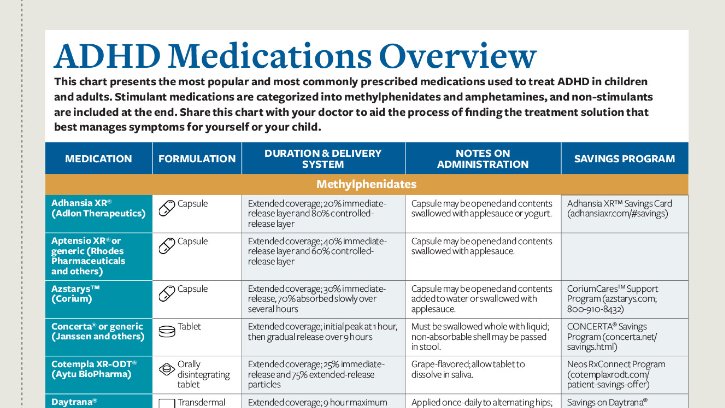
Adderall is mainly prescribed for Attention Deficit Hyperactivity Disorder (ADHD) and narcolepsy. It contains two stimulant compounds, amphetamine and dextroamphetamine, which increase neurotransmitter activity—particularly dopamine and norepinephrine—in the brain. This results in improved focus, alertness, and impulse control. Prescribed doses are individualized, often starting low and titrated under medical supervision. Due to biological variability, a dose safe for one person may pose risks for another. Close monitoring by healthcare professionals ensures therapeutic benefits while minimizing adverse effects.
For more details on the medication's function, visit what-is-adderall.
Can You Overdose on Adderall? Risks and Occurrences
Yes, Adderall overdose is possible through intentional misuse, accidental consumption, or misuse. Overdose occurs when the drug concentration causes severe physiological or psychological effects that threaten health or life. While many assume overdose only occurs at very high doses, even prescribed amounts can be dangerous for certain individuals, such as those with pre-existing health issues or when combined with other substances.
Data indicates that approximately 5 million Americans misuse prescription stimulants annually, with about 23% of overdose deaths involving stimulants like Adderall. Risk factors include exceeding prescribed doses, combining with other stimulants or medications such as monoamine oxidase inhibitors (MAOIs), or use by individuals with underlying cardiac or psychiatric conditions. These factors can interact unpredictably, increasing the danger of severe outcomes.
Recognizing the Symptoms and Signs of Adderall Overdose
Physical symptoms include:
- High blood pressure (hypertension) and rapid heartbeat (tachycardia)
- Arrhythmias or irregular heart rhythms, raising the risk of heart attack
- Seizures, especially in high doses or susceptible individuals
- Hyperthermia, a dangerous rise in body temperature
- Respiratory distress or rapid breathing
Psychological and behavioral symptoms include:
- Psychosis—hallucinations, paranoia, agitation
- Increased aggression and irritability
- Severe anxiety or panic attacks
- Impaired judgment, emotional instability, paranoia
Serious emergency signs:
- Chest pain or severe difficulty breathing
- Seizures that do not resolve
- Loss of consciousness or coma
It is crucial to distinguish overdose symptoms from typical side effects like jitteriness or insomnia, which are generally milder. Rapid escalation of symptoms or multiple signs appearing together require immediate medical attention.
Physiological Effects at Varying Levels of Overdose
Mild overdose: Elevated heart rate, increased blood pressure, nervousness, and discomfort, often manageable but warrant monitoring.
Moderate overdose: Significant hypertension, agitation, hallucinations, seizures, and impaired judgment, increasing accident risk.
Severe overdose: Risks include stroke, cardiac arrest, respiratory failure, hyperthermia, and psychosis. The severity depends on dose, individual health, and the promptness of intervention.
While approximate lethal doses for adults are around 20–25 mg per kilogram of body weight, individual health conditions, interactions, and tolerance levels influence actual risk thresholds.
Differentiating Misuse, Accidental Overdose, and Dependence
Misuse: Using Adderall without a medical prescription, exceeding prescribed doses, or taking it in ways not advised by a healthcare provider.
Accidental overdose: Unintentional ingestion of excessive amounts, often due to misunderstanding dosing instructions or interactions with buy 30mg adderall online other drugs, including alcohol or antidepressants.
Dependence and tolerance: Prolonged use may lead to increased dosing to achieve the same effect (tolerance), raising overdose risks, and dependence, which complicates safe use and increases likelihood of uncontrolled intake.
Understanding these distinctions helps target appropriate prevention and treatment strategies.
Prevention and Safe Use Practices
- Adhere strictly to prescribed doses and schedules—never adjust doses without consulting your healthcare provider.
- Store medication securely, out of reach of children and others prone to misuse.
- Be aware of drug interactions, especially with MAOIs, other stimulants, or antidepressants.
- Recognize early overdose symptoms, including rapid heartbeat, confusion, hallucinations, or chest pain, and seek emergency help immediately.
- Regular medical follow-ups help monitor response and prevent accidental overdose risks.
Practicing these safety measures is vital, buy adderall without prescription online especially for vulnerable populations such as children or those with pre-existing health conditions.
What to Do if Overdose Is Suspected
If you suspect an overdose:
- Call emergency services immediately (911). Do not delay, even if symptoms seem mild.
- If instructed, consider whether to induce vomiting—generally, do not unless directed by a medical professional.
- While awaiting help, keep the individual calm, in a comfortable position, and monitor their breathing.
- Transport to the hospital for supportive care, which may include medication, IV fluids, and vital sign stabilization.
At the hospital, treatments focus on controlling heart rate, blood pressure, seizures, and hyperthermia. Long-term management might involve psychiatric evaluation or addiction treatment if misuse contributed to overdose risk.
Treatment Options and Support for Overdose and Dependence
- Medical care: Hospital-based interventions include sedation, antihypertensives, anticonvulsants, and intensive monitoring.
- Psychological support: Address behaviors through therapy, coping strategies, and mental health services.
- Long-term management: Follow up with healthcare providers, gradual dose adjustments, and counseling to prevent relapse.
- Resources: Contact poison control centers, addiction specialists, mental health services, and emergency departments for ongoing support.
Honest Tradeoffs and Critical Considerations
While prescribed doses aim to provide therapeutic benefits, certain populations—such as children, individuals with heart disease, or psychiatric conditions—are at higher risk even at lower doses. Individual responses vary; thus, no dose can be considered entirely safe outside professional supervision.
Unsupervised use, dose self-modification, or misuse significantly increase overdose potential. Variability in health status, tolerance, and interactions makes overdose risk unpredictable. Long-term overdose consequences can include persistent cardiac issues, neurological damage, or mental health deterioration.
Common Questions and Misconceptions
- Can you overdose on a single dose? Yes, particularly in sensitive individuals. A single high dose can trigger severe effects.
- Are overdoses always fatal? No, but they can be life-threatening and require emergency intervention.
- Does a high dose always lead to overdose symptoms? Not necessarily; individual differences mean some tolerate higher doses better than others.
- Is overdose preventable? Mostly through strict adherence to prescribed doses, awareness of interactions, and vigilance in symptoms.
- Can mixing Adderall with other substances increase overdose risk? Yes, combining with other stimulants, depressants, or drugs like alcohol heightens danger.
Expert Recommendations Based on Specific Situations
- Patients with cardiovascular issues should follow stricter dosing and undergo regular cardiac monitoring.
- Recreational users or those misusing Adderall should cease immediately and seek urgent medical advice.
- Caregivers must store medications securely and watch for overdose signs such as sudden behavioral changes, chest pain, or seizures.
- In any suspected overdose scenario, call emergency services promptly for professional intervention.
Summary
Adderall overdose presents serious health risks, especially with misuse or in vulnerable populations. Recognizing overdose symptoms early and responding swiftly can save lives. The key to safety lies in strict adherence to prescribed doses, avoiding dangerous combinations, and seeking emergency help when needed. Understanding individual factors and maintaining vigilance significantly reduce overdose risks and improve outcomes.
Conclusion
Awareness of Adderall overdose risks and symptoms is critical for safe medication use. Always follow medical guidance, store medications responsibly, and act quickly if overdose is suspected. Seek professional support for ongoing concerns or symptoms. Staying informed and alert supports health and minimizes the threat of serious overdose consequences.
Related Guides
- Adderall XR Side Effects and Precautions
- Understanding What Adderall Is and How It Works
FAQ
Can you overdose on a single dose of Adderall?
Yes, especially for sensitive individuals. A single high dose can cause severe effects requiring emergency medical attention.