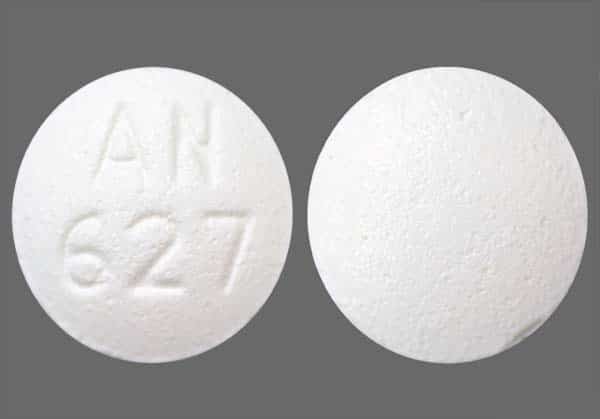

Embarking on a Klonopin (clonazepam) taper requires a precise, individualized plan to navigate safely through dose reductions. This guide offers detailed strategies, evidence-based schedules, and expert insights to support safe withdrawal. It is crafted for patients, caregivers, and healthcare professionals aiming to understand and execute effective Klonopin tapering plans.
Understanding Klonopin and the Risks of Long-Term Use
Klonopin is a long-acting benzodiazepine with a half-life generally spanning 18 to 50 hours. Its prolonged duration stabilizes blood levels, which can mitigate withdrawal severity during dose reduction. Clonazepam enhances GABA activity, providing anxiolytic, anticonvulsant, and sedative effects.
Prolonged use can lead to physical dependence, characterized by bodily adaptation to the medication. Abrupt cessation may trigger withdrawal symptoms—including anxiety, agitation, insomnia, tremors, and seizures—especially if tapering is too rapid. Tolerance may develop, necessitating higher doses for therapeutic effects, increasing the potential for adverse outcomes.
Implementing a carefully managed tapering strategy minimizes risks of severe withdrawal reactions and supports long-term recovery. A gradual, personalized dose reduction allows your body to adjust and reduces discomfort.
Developing a Safe Tapering Schedule: Principles and Approaches
Tapering must be tailored to individual circumstances. Factors influencing pace include duration of use, current dose, comorbid health conditions, and personal sensitivity. Consulting with a healthcare provider ensures adjustments are safe and effective.
The general guideline involves reducing the dose by approximately 5-10% every 2-4 weeks. For those with high sensitivity or long-term use, slower reductions—such as 5% per month—are recommended to minimize withdrawal symptoms.
Healthcare providers might suggest transitioning from Klonopin to a longer-acting benzodiazepine, such as diazepam, which facilitates smoother discontinuation. Longer half-life medications allow blood concentrations to decline gradually, lessening withdrawal symptoms. You can learn more about this process by exploring the klonopin drug class.
Conversion to diazepam uses established equivalency charts (e.g., 0.5 mg clonazepam ≈ 10 mg diazepam). This transition typically involves careful dose matching and gradual cross-tapering. Always perform conversions under medical supervision to ensure safety.
Klonopin Schedule and Dose Adjustment Methods
Klonopin comes in various tablet strengths, commonly 0.5 mg and 1 mg. To implement micro-dosing, splitting tablets carefully or using liquid formulations allows for precise adjustments. Liquids facilitate small, consistent dose reductions, especially during advanced tapering phases.
When converting to diazepam, accurate dosing guides—like Ashton’s guide—assist with establishing equivalent doses. These conversions support a seamless transition and effective tapering. However, modifications based on clinical response are essential, emphasizing the importance of professional oversight.
The Klonopin Taper Schedule: Step-by-Step Protocols
Typical tapering involves gradual dose how to buy klonopin online without prescription reductions over several months to prevent withdrawal complications. An example protocol includes:
- Weeks 1-4: Decrease dose by 5-10% per month, with close monitoring for withdrawal signs.
- Biweekly adjustments: For a more conservative approach, reduce by 2.5-5% every two weeks.
- Monitoring: Watch for symptoms like hallucinations, seizures, or severe anxiety, which may require slowing or pausing the taper.
- High-dose or long-term users: May need an extended, slower reduction schedule to avoid destabilization.
- Support measures: Incorporate therapy, sleep hygiene practices, and stress management techniques to bolster resilience during tapering.
Adjustments should prioritize tolerability and safety. Flexibility is key; some individuals may need longer timelines or smaller dose reductions based on response.
Managing Withdrawal Symptoms and Supporting Recovery
Withdrawal may present as mental health disturbances, physical discomfort, sleep disruption, or emotional instability. Symptoms can last weeks or even months—sometimes evolving into protracted withdrawal syndromes.
Non-pharmacological strategies include optimizing nutrition, limiting caffeine, practicing mindfulness, engaging in regular exercise, and maintaining sleep routines. These measures can ease discomfort and support emotional stability.
Pharmacological support might involve medications such as propranolol for physical symptoms or antidepressants for mood, supervised by your healthcare provider. In cases of severe withdrawal, including seizures or psychosis, immediate medical intervention is crucial.
The Role of Support Systems and Professional Guidance
Supervision by healthcare professionals enhances safety during the tapering process, allowing for frequent assessments of symptoms and adjustments. Regular check-ins help track progress and manage emerging challenges.
Building a strong support network—including family, friends, mental health professionals, or support groups—can significantly improve adherence and emotional resilience. Attempting to taper without professional oversight increases the risk of dangerous withdrawal reactions and should be avoided.
Common Questions, Misconceptions, and Clarifications
| Question | Response |
|---|---|
| Can I rush my Klonopin taper? | No. Rapid tapering elevates the risk of severe withdrawal symptoms, including seizures. Slow, steady reductions are essential for safety. |
| How long does a typical taper take? | The duration varies. While some may complete a taper in a few months, high-dose or long-term users often require extended periods to minimize discomfort and risks. |
| Is switching to diazepam necessary or advantageous? | In many cases, yes. Diazepam’s long half-life helps provide a smoother withdrawal. However, individual factors determine whether a switch is appropriate. |
| Can I stop suddenly or with minimal tapering? | Sudden cessation can cause serious consequences, including seizures. Always engage in a gradual taper under medical supervision. |
| Does psychological dependence differ from physical dependence? | Yes. Psychological dependence involves emotional cravings, whereas physical dependence relates to bodily adaptation. Both require tailored management during tapering. |
Personalized Tapering Strategies: Which is Best for Your Situation?
Options include shorter, more aggressive plans suited to those needing rapid discontinuation, and longer-term, cautious approaches for sensitive or long-term users. Your health status, support system, and lifestyle influence the best choice.
Patients with higher doses or prolonged use often benefit from a slow, incremental approach to minimize withdrawal discomfort and promote stability.
Verdict – What Is the Best Approach to Klonopin Tapering?
The consensus favors a slow, personalized, professionally guided process. Transitioning to longer-acting medications like diazepam can enhance safety but isn't mandatory; direct tapering of Klonopin, when carefully managed, is also effective.
Because buying klonopin online no prescription every individual’s response varies, ongoing communication with healthcare providers ensures the taper is safe and adaptable to changing needs.
Conclusion
Successful Klonopin tapering depends on a thoughtful, patient-centered approach established in collaboration with healthcare professionals. Proper planning, lifestyle modifications, and support systems facilitate a safer withdrawal and increase the likelihood of a sustainable recovery.
Seeking guidance from medical experts, utilizing resources such as support groups, and considering reputable programs like Ashton’s can enhance your tapering journey. Remember, gradual progress warrants patience and medical oversight for optimal outcomes.
Summary
A careful, individualized tapering plan, developed with professional support, is essential for safely discontinuing Klonopin. Incorporating lifestyle changes and support networks can mitigate withdrawal symptoms and promote recovery. Patience and flexibility are vital—avoid rushing the process to prevent severe complications.
Related Guides
- Klonopin Drug Class
- Klonopin Pill Information
- Klonopin Classification and Use
- Klonopin Generic Medication Options
- Klonopin as a Controlled Substance
FAQ
Question
Answer
Can I rush my Klonopin taper?
No. Rapid tapering increases the risk of severe withdrawal symptoms, including seizures. Patience and slow progression are key.
How long does a typical taper take?
It varies. Short-term tapering (a few weeks) is generally unsafe. A gradual approach often spans several months, especially for high-dose or long-term users.
Is switching to diazepam necessary or advantageous?
For many, yes. Diazepam’s long half-life provides a smoother reduction. However, not everyone can switch successfully—sometimes direct tapering of Klonopin is appropriate.
Can I stop suddenly or with minimal tapering?
Generally dangerous. Sudden cessation can provoke severe withdrawal, including seizures. Always taper gradually under supervision.
Does psychological dependence differ from physical dependence?
Psychological dependence involves cravings or emotional reliance; physical dependence relates to bodily adaptation. Both are considerations in tapering but require different management approaches.