
Implementing appropriate safety precautions is essential across various environments to prevent hazards and protect health. This guide provides detailed, expert insights into specific precautions suitable for healthcare professionals, safety officers, industry workers, and safety-conscious individuals. By understanding the nuances of different precautions, you can tailor safety measures effectively to your situation, ensuring maximum protection with efficient resource use.
I. Introduction
This guide clarifies the specific safety precautions necessary in diverse settings, focusing on evidence-based practices and practical applications. It emphasizes the importance of risk assessments to determine appropriate measures, avoiding both insufficient and excessive precautions. Readers will gain comprehensive knowledge on how to adapt precautions to various environments, balancing safety, operational efficiency, and resource management.
II. Essential Background on Safety Precautions
Standard precautions form the foundation of infection control, including thorough hand hygiene, correct use of PPE, and maintaining clean environments. These measures are universally applicable and serve as the baseline for patient and worker safety. For higher-risk situations, additional precautions—such as contact, droplet, or airborne measures—are layered on, guided by pathogen characteristics and regulatory standards like OSHA and CDC guidelines. Conducting hazard assessments ensures precautions are proportionate, targeted, and effective, mitigating both under- and over-protection.
III. Deep Dive into Special Precautions: Types and Contexts
A. Infection Prevention in Healthcare Settings
Managing respiratory infections or bloodborne pathogens requires adherence to specific infection control protocols. Implementing droplet precautions—wearing surgical masks, eye protection, and isolating patients—significantly reduces transmission from coughs or sneezes. For immunocompromised patients, precautions are intensified with higher-grade PPE, dedicated equipment, and stringent environmental cleaning. Precise donning and doffing procedures are critical to prevent self-contamination. Non-compliance in such contexts increases the risk of healthcare-associated infections, which can have severe consequences.
B. Fall Protection in High-Risk Environments
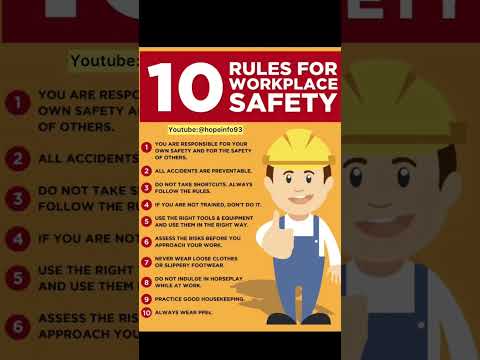
In workplaces involving heights over 3 meters (10 feet), fall prevention measures are vital. Use of harnesses, fall arrest systems, and guardrails creates physical barriers to prevent injuries. Proper training on selecting, inspecting, and correctly wearing PPE ensures these measures are effective. Neglecting maintenance or training can lead to system failure, resulting in injury despite precautions. Implementing these safety protocols can affect operational flow, but integrating them seamlessly ensures safety does not compromise productivity.
C. Blood Safety and Transfusion Precautions
Blood collection and transfusion procedures require meticulous donor screening, sterile handling, and proper storage conditions to prevent pathogen transmission such as HIV and hepatitis. Blood banks and collection centers must adhere to pathogen reduction protocols and maintain well-documented handling procedures. Failures in blood safety protocols not only risk cross-contamination but can also create shortages, directly affecting patient treatment outcomes.
D. Workplace Hazard Control Beyond Infection
Handling chemical spills, fire risks, or physical hazards demands layered controls like PPE, ventilation systems, and engineering safeguards. In manufacturing, for instance, appropriate gloves and local exhaust ventilation reduce chemical exposure. Effective hazard control involves conducting thorough assessments, providing staff training, and ongoing monitoring. Overlooking these precautions can cause injuries, environmental damage, or occupational violations.
E. Special Considerations for Vulnerable Populations
Home and long-term care environments require tailored precautions such as isolation protocols, hygiene assistance, and environmental modifications. Ethical considerations include respecting residents’ autonomy while ensuring safety—clear communication is essential. Insufficient precautions can lead to infection transmission or accidents, especially among residents with cognitive or physical impairments, emphasizing the need for individualized safety strategies.
IV. Who Each Precaution Is Best Suited For
| Responsible Group | Appropriate Precautions |
|---|---|
| Healthcare staff managing infectious patients | Standard, contact, droplet, and airborne precautions as needed |
| Workers at heights or in industrial environments | Fall arrest systems, harnesses, comprehensive training |
| Blood collection personnel and blood bank staff | Donor screening, sterile handling, proper storage |
| Vulnerable populations and caregivers | Tailored hygiene practices, environmental controls, isolation protocols |
| High-risk workplaces with complex hazards | Layered controls—including PPE, engineering safeguards, and ongoing training |
V. Implementing and Customizing Precautions: Real-World Scenarios
Develop comprehensive safety plans grounded in detailed hazard assessments relevant to your environment. During infectious outbreaks with PPE shortages, prioritize high-risk areas and adopt conservation strategies such as extended use or reuse protocols, while maintaining safety standards. In rehabilitation facilities, environmental modifications—like removing tripping hazards—and staff training enhance fall prevention efforts. Continuous education, simulation exercises, and compliance monitoring identify safety gaps, enabling targeted corrective actions for safer operations.
VI. Honest Evaluation of Tradeoffs and Limitations
While strict precautions are vital, they often require significant resources—time, PPE, staff training—that buy klonopin online legal can strain budgets and operational schedules. Overly cautious measures may impede workflow; however, insufficient precautions increase safety risks. Staff compliance is crucial—poor adherence diminishes effectiveness regardless of protocols. Technological limitations, such as PPE shortages or outdated equipment, further impact safety outcomes. Balancing these factors involves assessing the actual risk, resource availability, and operational impacts to implement practical, effective precautions.
VII. Common Questions and Misconceptions
- Are all precautions necessary for every situation? No. Precaution levels should be guided by thorough risk assessments specific to each environment.
- When should I escalate from routine to additional precautions? When infection indicators such as outbreaks, new transmission modes, or symptom clusters emerge, escalate measures accordingly.
- Are PPE and engineering controls equally effective? They complement each other—PPE provides personal protection, while engineering controls modify the environment to reduce overall hazards.
- How should staff non-compliance be handled? Through ongoing training, clear communication of protocols, and fostering a safety culture that emphasizes accountability and continuous improvement.
- Are precautions in low-risk areas unnecessary? Not entirely—standard precautions should always be maintained; additional measures depend on specific risk factors present in the environment.
VIII. Clear Recommendations Based on Specific Situations
- Healthcare providers: Rigorously implement infection control protocols, including PPE use and environmental cleaning, especially during outbreaks.
- Construction workers at heights: Utilize comprehensive fall protection systems, ensure proper PPE training, and conduct regular inspections.
- Blood bank staff: Follow strict donor screening, sterile handling, and storage protocols to guarantee blood safety.
- Workplaces with chemical hazards: Apply layered controls such as PPE, proper ventilation, and staff training to minimize exposure.
- High-risk populations: Combine community health measures with tailored precautions like environmental modifications buy klonopin online delivery and health education to reduce transmission and hazards.
IX. Making Informed Decisions on Precautions
Adopt a flexible, case-specific approach by evaluating risks, environment, and resource availability. Employ layered safety strategies that incorporate standard precautions, augmented with situation-specific measures. Regular evaluation of hazards, safety outcomes, and staff adherence ensures protocols remain effective and up to date. Promoting a safety-oriented culture through ongoing training and leadership is essential to translating policies into real-world safety.
X. Conclusion
Effective safety precautions depend on understanding the context, tailoring measures to specific risks, and implementing them diligently. Continuous assessment, staff engagement, and resource allocation are key to maintaining safety standards. Staying updated with evolving guidelines and fostering a proactive safety culture ensures long-term protection for all stakeholders.
Summary
This guide highlights the importance of tailored, evidence-based precautions across various environments. Key points include conducting thorough hazard assessments, selecting appropriate layered measures, and fostering a safety culture through ongoing training. Achieving optimal safety requires balancing resource constraints with rigorous safety practices. Regular evaluation and adaptation ensure precautions remain effective and relevant. Next steps involve applying these principles to your specific setting and continuously improving safety protocols.
FAQ
Question
Are all precautions necessary for every situation?
Answer
No. Precautions should be determined based on a comprehensive risk assessment to ensure appropriate measures without unnecessary resource expenditure.
Question
When should I escalate from routine to additional precautions?
Answer
When there are indicators of increased risk, such as infection outbreaks, new transmission modes, or confirmed cases, it is essential to escalate precautions accordingly.
Question
Are PPE and engineering controls equally effective?
Answer
They complement each other—engineering controls modify the environment to reduce hazards, while PPE provides personal protection. Combining both offers the highest level of safety.
Question
How should staff non-compliance be addressed?
Answer
Through comprehensive training, clear communication, and cultivating a safety-first culture that emphasizes accountability and continuous improvement.
Question
Are precautions necessary in low-risk areas?
Answer
Standard precautions should always be maintained. Additional measures depend on specific risks identified in the environment.